Tattoo Pain Chart & Placement Guide
Quick answer: the least painful tattoo spots are the outer forearm, upper arm, thigh and calf (about 3–4/10); the most painful are the sternum, ribs and spine (about 8/10), followed by the hands, neck and ankles. Compare pain, visibility, fading and the spooky designs that fit each of 15 body areas.
Tattoo pain chart by placement
| Placement | Pain | Visibility | Fade risk | Typical size | Designs |
|---|---|---|---|---|---|
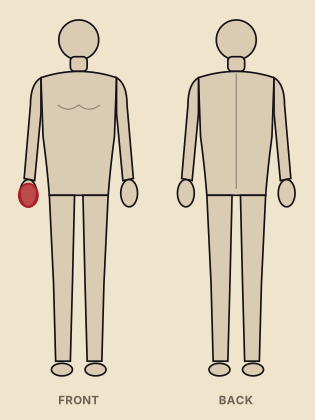
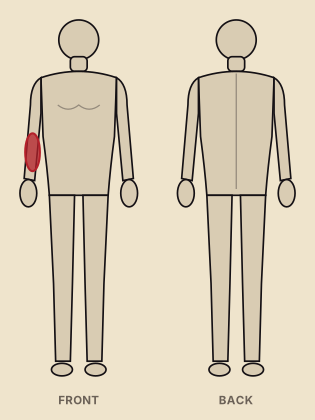
| Forearm | 3/10 | High | Low | 3–7 in | 30 |
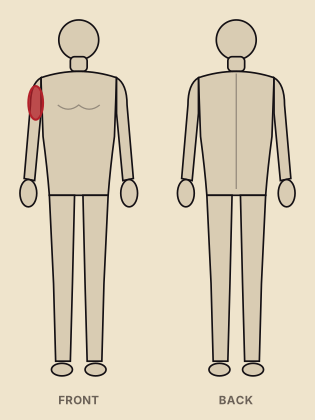
| Upper Arm | 3/10 | Medium | Low | 3–6 in | 30 |
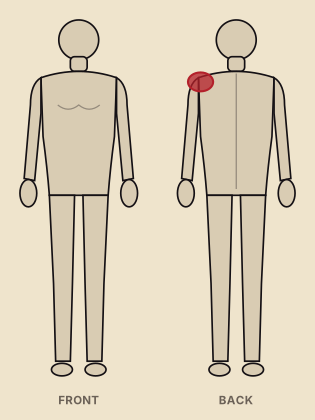
| Shoulder | 4/10 | Medium | Low | 3–6 in | 20 |
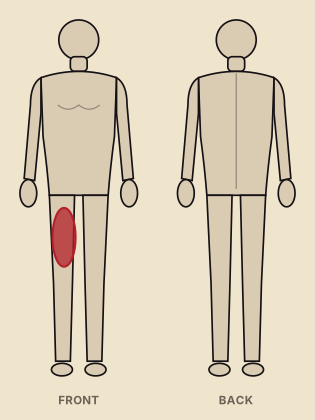
| Thigh | 4/10 | Low | Low | 4–9 in | 30 |
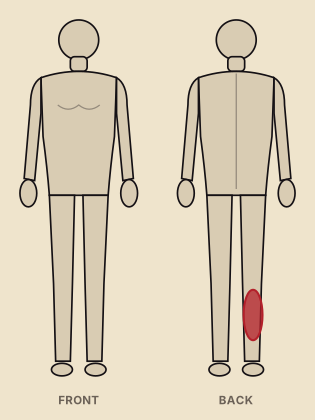
| Calf | 4/10 | Medium | Low | 3–7 in | 27 |
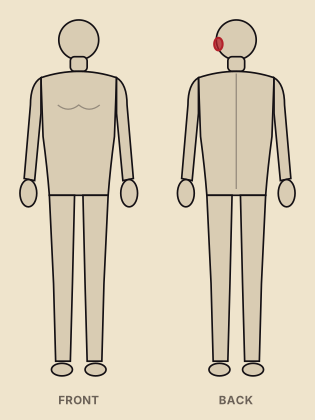
| Behind the Ear | 5/10 | Low–medium | Low | 0.6–1.5 in | 7 |
| Finger | 6/10 | High | Very high | 0.5–1.2 in | 6 |
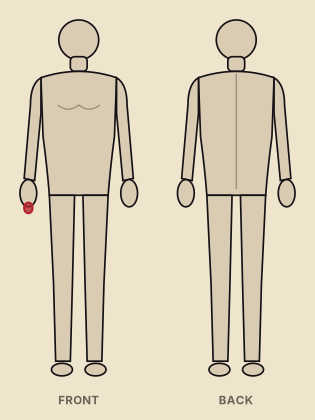
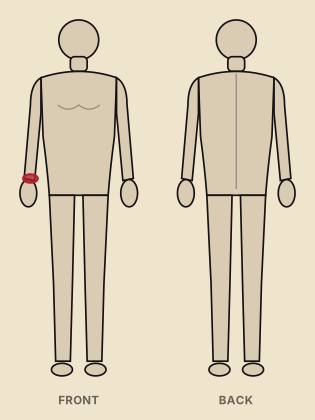
| Wrist | 6/10 | High | Medium | 1–2.5 in | 15 |
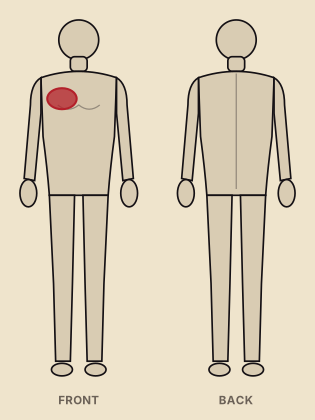
| Chest | 6/10 | Low–medium | Low | 4–9 in | 20 |
| Hand | 7/10 | Very high | High | 2.5–4.5 in | 28 |
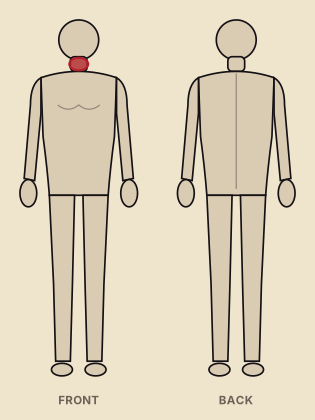
| Neck | 7/10 | Very high | Medium | 2–5 in | 28 |
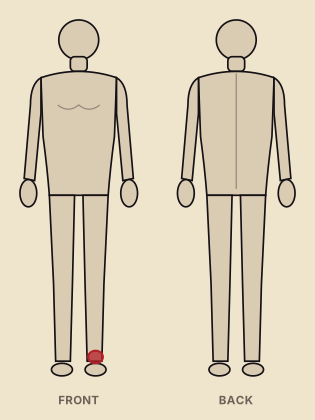
| Ankle | 7/10 | Medium | Medium | 1–3 in | 12 |
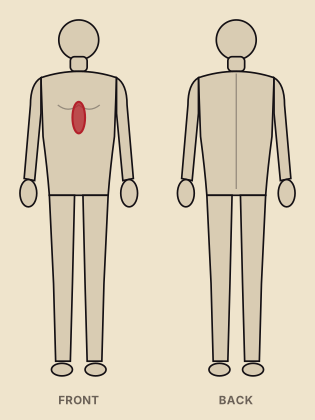
| Sternum | 8/10 | Low | Low | 3–7 in | 29 |
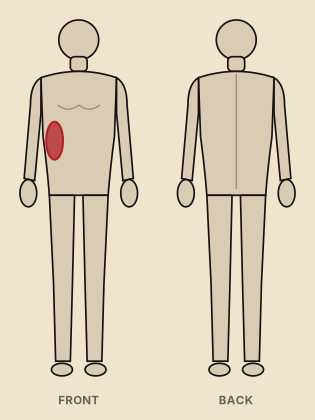
| Ribs | 8/10 | Low | Low | 4–10 in | 10 |
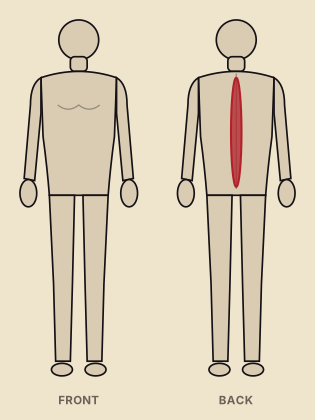
| Spine | 8/10 | Low | Low | 5–14 in | 10 |
Pain ratings are typical averages; individual tolerance varies. See our methodology.
All placements
How to choose a placement
Weigh four factors. Pain: the table above ranks every placement; the forearm, upper arm, thigh and calf are the easiest for a first or long session. Visibility: hands, neck and forearms are seen daily by everyone, while ribs, sternum, thighs and backs are private by default. Longevity: hands, fingers and feet fade fastest because the skin regenerates and rubs constantly. Shape: long, flowing motifs suit the spine, ribs and forearm; round motifs suit the shoulder cap and thigh; symmetrical motifs suit the sternum and throat.
Each placement guide lists the dark motifs that fit that area best, its typical healing time and composition tips from the way artists plan designs on the body.