Guide · Planning your tattoo
How to Cover Up a Black or Dark Tattoo
Quick answer: You can cover up a black or dark tattoo, but only with a new design that is darker and larger than the old one, usually 1.5–3 times its size. Light colors and white ink cannot hide black. Thin or faded black lines can go under deep colors, while solid black areas often need a few laser sessions first.
- Updated
- October 18, 2026
- Reviewed by
- Hallowed Ink Editorial
- Sources
- FDA, AAD & more
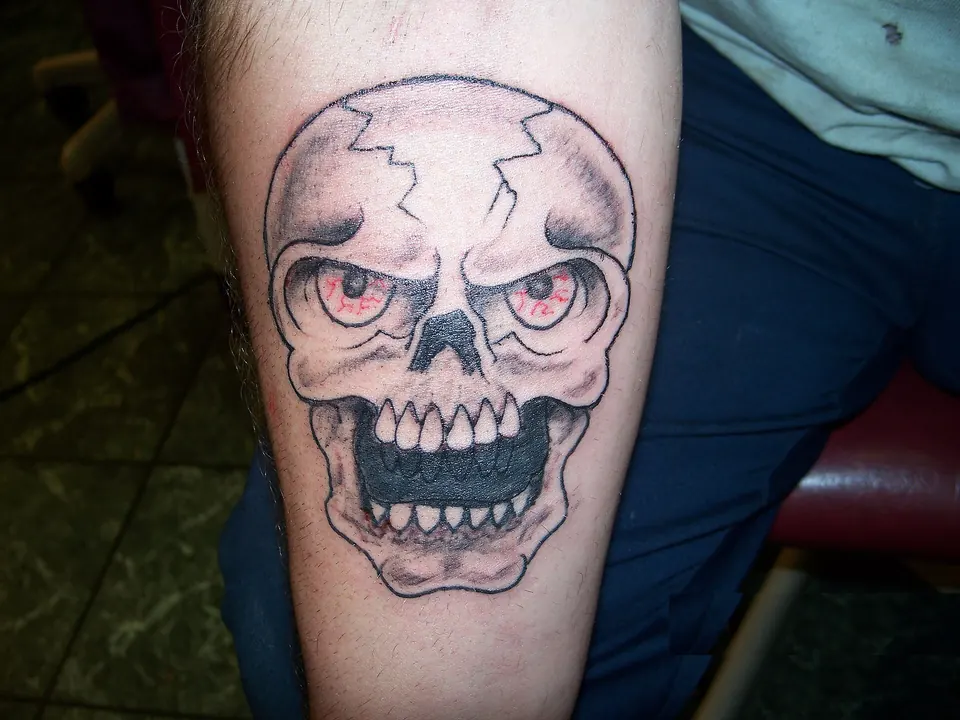
Can a black tattoo be covered up?
Yes, in most cases. Three things decide how easy it will be:
| Factor | Easier | Harder |
|---|---|---|
| How dark it is | Thin linework, faded or blurred ink | Solid black fill, fresh and saturated ink |
| Size | Small, with skin around it to expand into | Large, or already filling the placement |
| Shape | Organic lines, script, small symbols | Thick tribal bands, hard geometric blocks |
A faded name in thin script is one of the simplest jobs a cover-up artist sees. A fresh, solid black tribal armband is one of the hardest. Most black tattoos sit somewhere in between, so an in-person assessment matters more than any rule of thumb.
Why black is the hardest ink to cover
Tattoo ink does not mix with or erase the ink beneath it. The new layer sits in the same part of the skin, and the darker pigment wins. Black is the darkest pigment there is, so nothing lighter can hide it. Cover-up artists work with that fact instead of against it: they place the darkest parts of the new design (shadows, solid fills, black petals or feathers) directly over the old black, and use the lighter parts of the design on fresh skin around it.
This is also why a cover-up is almost always bigger than the tattoo it hides. The new design needs dark areas large enough to swallow the old shape, plus enough detail around them that the eye reads a new picture, not a dark patch.
Can you cover a black tattoo with color?
Only partly. Color tattoo ink is translucent, so a light color laid over black simply looks like black. Deep, saturated colors can disguise thin or faded black lines when the new design has its own dark shading in the same place. Solid black areas stay visible under any color.
| New color | Over thin or faded black lines | Over solid black |
|---|---|---|
| Black | Covers fully | Covers fully |
| Deep red, purple, navy, dark green | Often hides them inside shading | Old shape still shows |
| Mid tones (orange, teal, mid grey) | Lines usually show through | Does not hide it |
| Yellow, pastels, white | Does not hide them | Does not hide it |
White ink over black is a common hope, but white cannot hide black and tends to fade to a dull yellowish tone over time. If you want a bright, colorful cover-up over solid black, plan on laser lightening first. The reverse is easy: black covers almost any color tattoo, which is why blackwork is the most common cover-up style.
Laser lightening before a cover-up
Laser removal does not have to remove the whole tattoo to help. A few sessions can lighten old black enough that the cover-up artist has far more freedom, especially for color work or a design smaller than a full blackout. Black ink responds well to laser because it absorbs all laser wavelengths.
- Fading for a cover-up usually takes fewer sessions than full removal. A laser specialist can estimate the number after seeing the tattoo.
- Sessions are spaced weeks apart so the skin can heal and the body can clear the broken-down pigment. Your provider sets the interval.
- Let the skin heal fully after the last laser session before the cover-up appointment; the cover-up artist will tell you how long they want to wait.
- Laser can cause blistering, scarring or changes in skin color, and the risk of pigment changes is higher on darker skin tones. Choose a licensed provider and ask about experience with your skin tone.
See a doctor if a laser-treated area shows spreading redness, pus, fever or increasing pain. Read more about laser lightening and laser removal in the glossary.
Black tattoo cover-up ideas
The best cover-up subjects have large dark areas, organic shapes and plenty of texture: petals, feathers, wings, fur, smoke and shadow. Each idea below suits a different size of old tattoo.
Small black tattoos (under 2 inches)
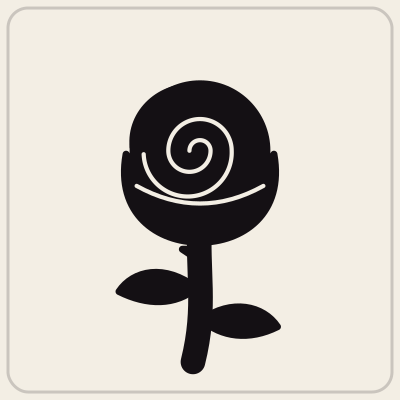
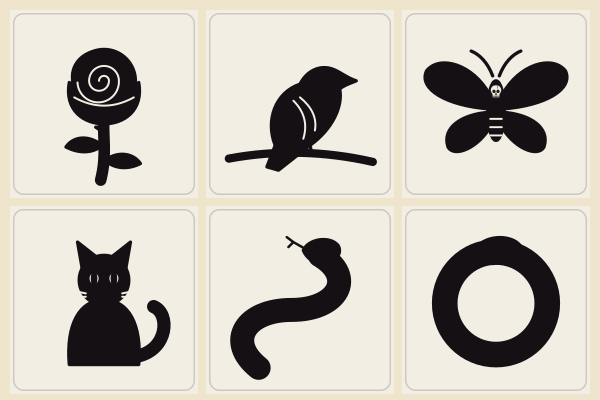
1. Black rose
Layered petals hide a small symbol or initials in their darkest folds.
Size: 3–4 in · Style: Blackwork · Black Rose tattoo symbolism

2. Death's-head moth
The dark body and inner wings sit over the old ink, the patterned wings spread onto fresh skin.
Size: 3–5 in · Style: American traditional · what a death's-head moth tattoo means
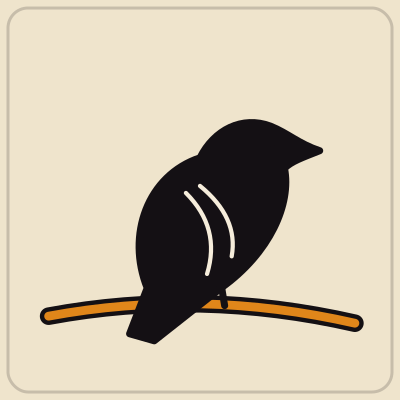
3. Raven head
Dense black feathers swallow small text.
Size: 3–4 in · Style: American traditional · Raven tattoo meaning
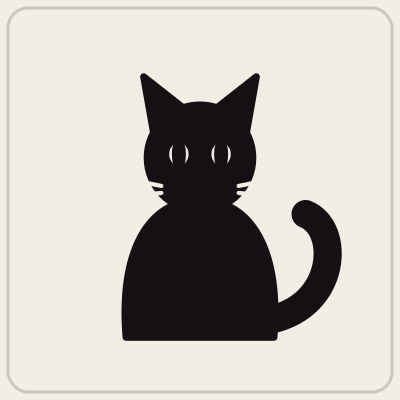
4. Black cat
A solid silhouette with a curled tail, a simple and bold option for a dark dot or star.
Size: 3–4 in · Style: Blackwork · Black Cat tattoo symbolism
Script, names and thin linework
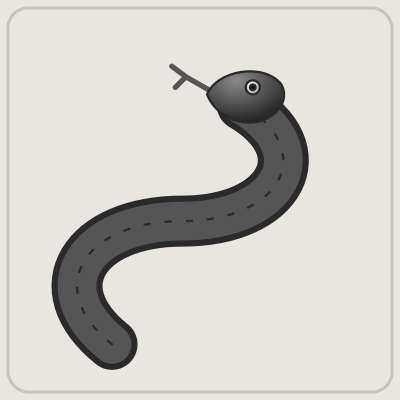
5. Snake winding through roses
The dark scales and leaves follow the line of old lettering.
Size: 5–8 in · Style: Black and grey realism · what a serpent tattoo means
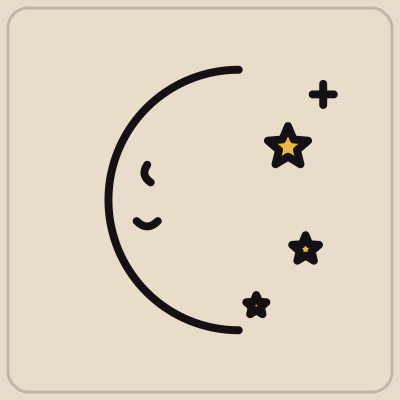
6. Crescent moon in a black night sky
The solid sky hides a name, the moon stays bare skin.
Size: 4–6 in · Style: Neo-traditional · Crescent Moon tattoo meaning
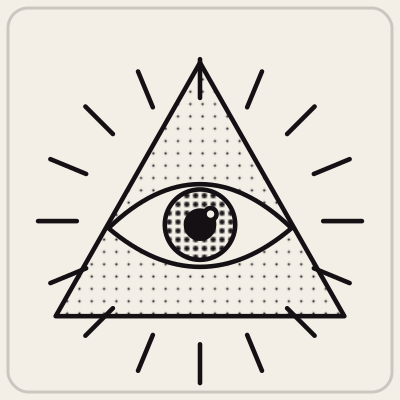
7. Dotwork mandala with a black center
The center packs over the old ink, the pattern radiates outward.
Size: 4–6 in · Style: Dotwork · All-Seeing Eye tattoo symbolism
Large black tattoos and tribal pieces
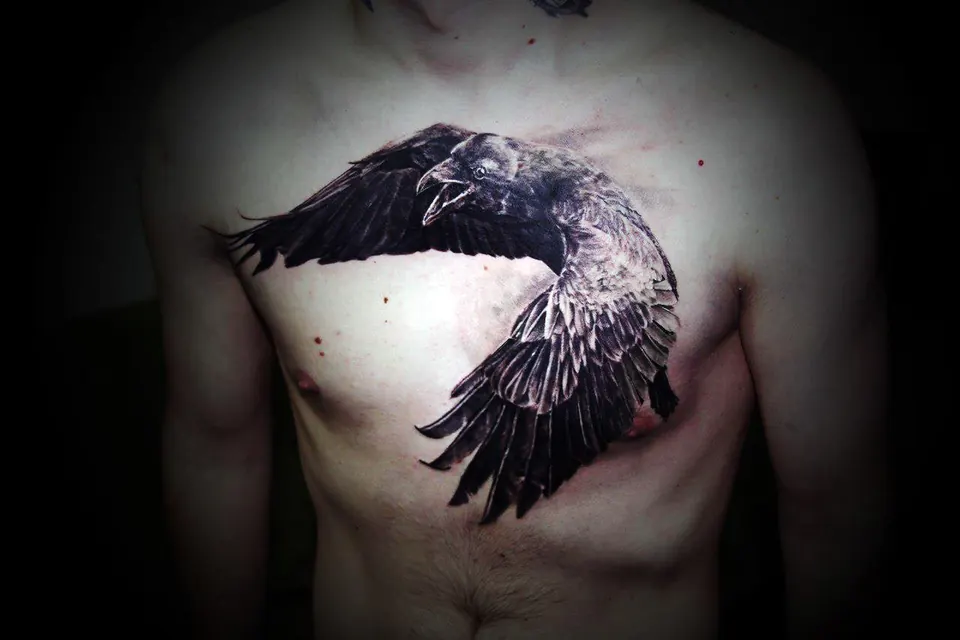
8. Raven with spread wings
A wingspan wide enough to hide an old tribal band across the upper arm or chest.
Size: 8–12 in · Style: Black and grey realism
9. Black panther or wolf head
Fur and shadow cover heavy black shapes.
Size: 6–9 in · Style: Neo-traditional · Werewolf tattoo symbolism
10. Haunted house scene in blackwork
The black sky and building mass do the hiding.
Size: 6–10 in · Style: Blackwork · Haunted House tattoo meaning
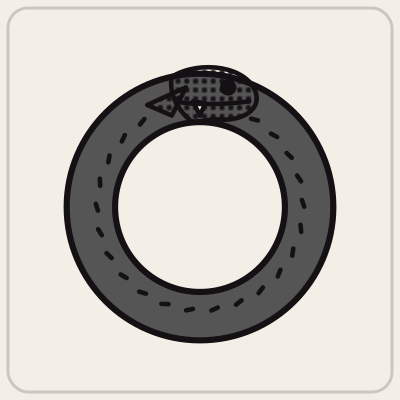
11. Ornamental blackout band
A solid band with a patterned edge, the most reliable fix for an armband.
Size: 3–5 in wide · Style: Dotwork · Ouroboros tattoo meaning
Ideas by placement
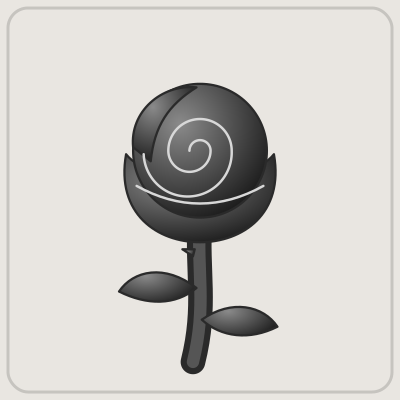
12. Forearm: black rose sleeve start
Extends up and down the forearm and can grow into a half sleeve.
Size: 6–9 in · Style: Black and grey realism
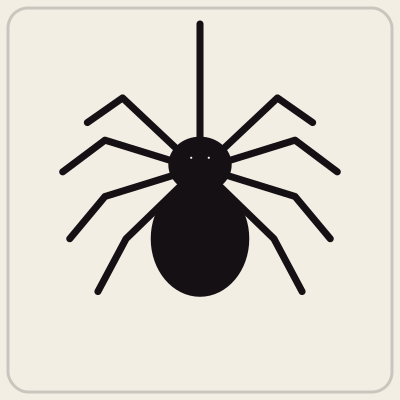
13. Wrist and hand: blackwork spider web
Bold strands and a dark spider cover small wrist symbols.
Size: 3–5 in · Style: Blackwork · Spider tattoo symbolism
14. Chest: moth or bat across the collarbones
Symmetrical wings cover a central piece.
Size: 8–12 in · Style: American traditional
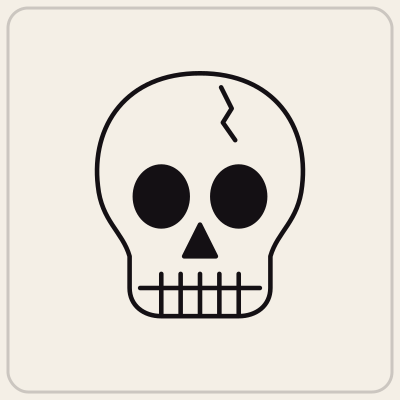
15. Back of the neck: skull with smoke
A dark skull over an old symbol, smoke trailing into the hairline.
Size: 3–5 in · Style: Dotwork · Skull tattoo meaning
Many people choose designs often called men's or women's cover-ups, but the logic is the same for anyone: pick a subject you like that has dark mass in the right place. For more dark subjects that cover well, see dark tattoo cover-ups.
Sizing the cover-up
| Old tattoo | Typical cover-up size | Note |
|---|---|---|
| Small symbol, 1–2 in | 3–5 in | Fits the wrist, ankle or forearm |
| Name or short script, 3–5 in long | 5–8 in | Follow the direction of the lettering |
| Medium solid piece, 3–4 in | 6–10 in | Laser first if you want color |
| Armband or large tribal | Band or sleeve section | Blackout or a larger design wrapping the arm |
Placement limits size. If the old tattoo already fills the wrist or a finger, there may be no room to go bigger, and laser or a solid black design becomes the realistic choice.
Choosing a cover-up artist and cost
Cover-ups are a specialty. Look for an artist who shows healed before-and-after photos of black cover-ups, not only fresh ones, since old ink can creep back into view as the new tattoo settles. Book a consultation and bring clear photos of the old tattoo; most artists want to see it in person before drawing.
A cover-up usually costs more than a new tattoo of the same final size. The design takes longer to draw, the tattooing is slower around the old ink, and large pieces often need more than one session. See tattoo cost for typical US rates.
When blackout is the answer
If the old tattoo is large, solid and in a spot you want to keep dark, a full blackout or a heavy black band can be the cleanest result. It hides almost anything in one or two sessions, though it is the hardest look to change later. Heavy blackwork and blackout tattoos explains healing and what to expect.
Frequently asked questions
Can you cover up a black tattoo with color?
Only partly. Deep, saturated colors such as dark red, purple or navy can hide thin or faded black lines inside the new design's shading, but no color hides solid black, and light colors or white ink show the old tattoo through. For a bright color cover-up over solid black, plan on laser lightening first.
Can you cover a color tattoo with black?
Yes, black covers almost any color tattoo because it is the darkest pigment. A blackwork or black and grey design usually hides old color in one session, provided the new design is larger than the old one and has dark areas where the old color sits.
How much bigger does a cover-up need to be?
A cover-up usually needs to be 1.5–3 times the size of the old black tattoo. Small symbols often become 3–5 inch designs, and a 3–5 inch name typically needs 5–8 inches. Thin, faded linework can stay closer to the original size than solid black.
Do I need laser before covering a black tattoo?
Not always. Thin, faded or small black tattoos can often be covered directly with a darker, larger design. Laser lightening helps when the old ink is solid and saturated, when you want a lighter or colorful cover-up, or when there is no room to go much bigger.
Can white ink cover a black tattoo?
No, white ink cannot cover a black tattoo. Tattoo ink is translucent, so black shows through white, and white ink tends to fade to a dull yellowish tone. Lightening the black with laser first, then tattooing, is the only reliable way to put light colors in that area.
How much does a black tattoo cover-up cost?
A black tattoo cover-up usually costs more than a new tattoo of the same final size, because the design takes longer and the work around old ink is slower. Large cover-ups often need two or more sessions, and any laser sessions beforehand are paid separately to the laser provider.